
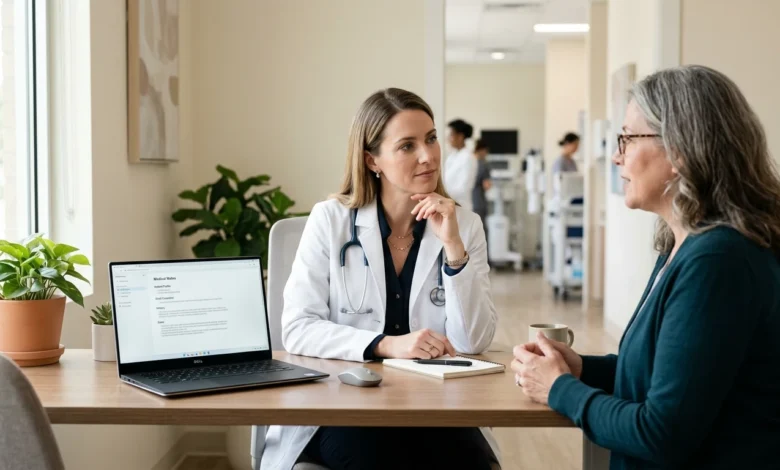
Healthcare professionals often spend a significant amount of time creating clinical documentation after patient visits. Freed AI is designed to simplify this process by generating medical notes from patient conversations, helping reduce manual documentation while allowing clinicians to spend more time focusing on patient care.
The platform is widely recognized for its AI medical scribe capabilities, enabling healthcare providers to review, edit, and finalize notes before adding them to their workflow. This guide explains what the platform is, how its scribe works, account access, documentation features, privacy considerations, subscription options, and whether it is the right solution for your practice.
Table of Contents
What Is Freed AI?
This is an AI-powered medical documentation platform that assists healthcare professionals by creating clinical notes from patient conversations. Rather than manually typing every detail after an appointment, clinicians can review AI-generated documentation and make any necessary edits before saving it.
The platform is intended to reduce administrative workload while supporting more efficient documentation during routine clinical practice. It can be used across different healthcare settings, making it suitable for professionals who manage frequent patient consultations and extensive recordkeeping.
Creating Clinical Notes From Patient Conversations
The platform follows a straightforward documentation workflow.
During a consultation, the conversation is captured and processed to identify medically relevant information. After the visit, the system organizes that information into structured clinical notes that the healthcare professional can review.
Before documentation becomes part of a patient’s record, clinicians should verify the content, correct any inaccuracies, and ensure the notes accurately reflect the consultation. Human review remains an essential part of the documentation process.
This workflow helps reduce repetitive administrative tasks without replacing professional medical judgment.
Also Read: A2E AI What It Is How to Use It and Key Feature
Understanding Freed AI Scribe
One of the platform’s core features is Freed AI Scribe, which focuses on converting patient conversations into organized clinical documentation.
Instead of writing notes from memory after each appointment, healthcare providers can review AI-generated drafts that summarize key details discussed during the visit. The generated documentation serves as a starting point that can be refined before being added to the patient’s medical record.
By reducing the amount of manual typing required, the scribe helps clinicians maintain more consistent documentation while improving overall workflow efficiency.
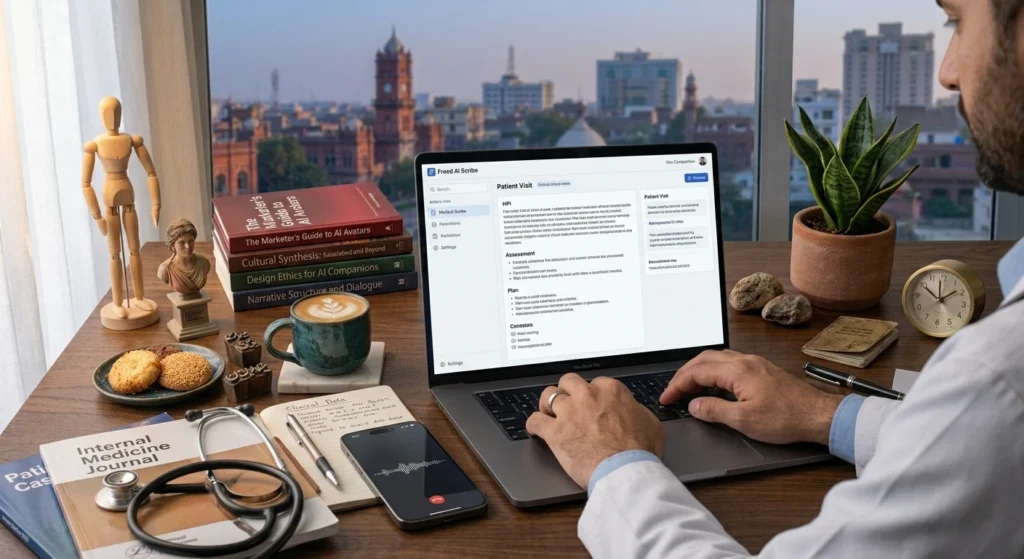
Types of Notes You Can Generate
Different medical specialties require different documentation formats. The platform supports several common note types used during routine patient care.
SOAP Notes
SOAP notes organize information into Subjective, Objective, Assessment, and Plan sections, providing a structured summary of each consultation.
Progress Notes
Progress notes help document a patient’s condition, treatment response, and ongoing care throughout multiple visits.
Follow-Up Documentation
Follow-up notes record changes in symptoms, treatment plans, medication adjustments, and recommendations after previous appointments.
Patient Visit Summaries
Visit summaries provide a concise overview of the consultation, helping both clinicians and patients review important discussion points and care instructions.
Signing In to Your Account
Accessing your workspace begins with the Freed AI login page.
After signing in, users can manage consultations, review generated documentation, organize previous notes, and access available account features from their dashboard.
If login issues occur, password recovery and account verification options are generally available to restore access. Keeping account credentials secure helps protect sensitive healthcare information.
Using It During Patient Visits
The platform is designed to fit naturally into the clinical documentation process rather than adding extra administrative work.
A typical workflow begins when a patient consultation starts. After the conversation is captured, the platform generates structured clinical notes based on the discussion. The healthcare professional can then review the draft, make any necessary edits, and finalize the documentation before adding it to the patient’s records.
This review step is important because every clinical note should accurately reflect the patient’s condition, treatment plan, and medical history.
Supported Healthcare Professionals
The platform is suitable for a variety of healthcare settings where clinical documentation is a routine part of patient care.
Physicians
Doctors can reduce the amount of time spent writing notes after appointments while maintaining complete clinical records.
Nurse Practitioners
Nurse practitioners can use generated documentation as a starting point for recording assessments, treatment plans, and follow-up recommendations.
Therapists and Mental Health Professionals
Therapists may benefit from structured session documentation that can be reviewed and edited before becoming part of the patient’s record.
Medical Clinics
Clinics handling a large number of daily appointments can use streamlined documentation workflows to improve efficiency across their teams.
Privacy and Patient Data
Because clinical documentation contains sensitive medical information, protecting patient privacy is an important consideration.
Healthcare professionals should follow their organization’s privacy policies and applicable healthcare regulations when using documentation tools. Access to patient records should remain limited to authorized users, and every generated note should be reviewed before it is stored or shared.
Maintaining secure login credentials and following established security practices also helps safeguard patient information.
Free Access and Subscription Options
Many users want to explore the platform before committing to a paid subscription.
A free trial or introductory access may be available for new users, allowing them to evaluate the documentation workflow and determine whether it fits their practice. Paid plans generally provide additional features, higher usage allowances, or expanded functionality for professionals who rely on the platform regularly.
Since subscription plans and pricing can change over time, reviewing the latest plan information before upgrading is recommended.
See Also: Walter Writes AI What It Is, How It Works, and How to Use It
Things to Know Before Using It
Although the platform can significantly reduce documentation time, it should not replace professional clinical judgment.
Healthcare providers should always verify generated notes before adding them to patient records. Audio quality, incomplete conversations, or complex medical discussions may affect the accuracy of the generated documentation.
The platform works best when used as a documentation assistant rather than a replacement for careful medical review.
FAQs
What is Freed AI?
It is an AI-powered medical documentation platform that helps healthcare professionals create clinical notes from patient conversations.
Can it generate SOAP notes?
Yes. The platform supports structured clinical documentation, including SOAP-style notes for patient visits.
Is there a free plan?
A free trial or introductory access may be available, while paid plans typically provide additional features and higher usage limits.
Which healthcare professionals can use it?
The platform is commonly used by physicians, nurse practitioners, therapists, mental health professionals, and medical clinics that want to simplify clinical documentation.
Conclusion
Freed AI helps healthcare professionals reduce the time spent on clinical documentation by generating structured notes from patient conversations. Its documentation workflow, medical scribe capabilities, and organized note generation make it a practical solution for clinicians who want to spend more time with patients and less time on paperwork.
While the platform can improve efficiency, every generated note should be reviewed carefully before becoming part of a patient’s medical record. Used alongside professional expertise, it can become a valuable part of a modern clinical workflow.